
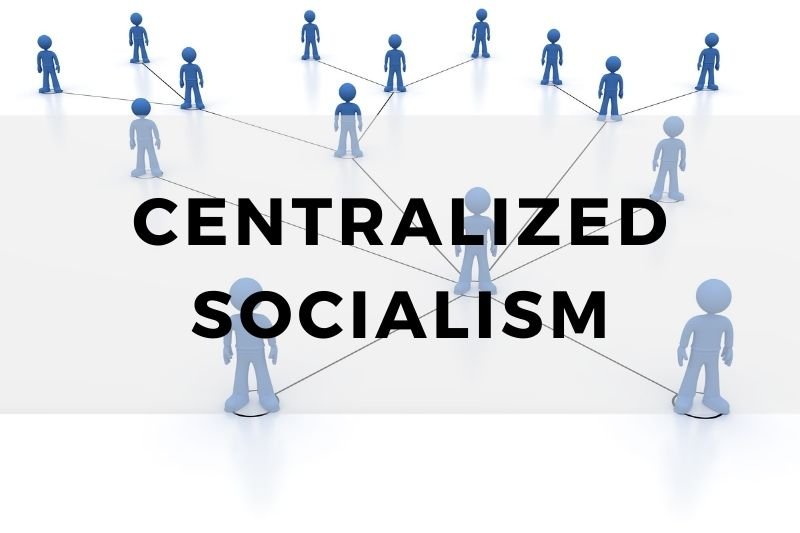
Centralized socialism has long stood as one of the most ambitious attempts to reshape economic and social life through collective direction. Rooted in the belief that concentrated authority can guide resources toward equality and shared prosperity, it emphasizes planned growth over market forces. By placing industries, production, and distribution under state control, centralized socialism seeks to eliminate exploitation and reduce disparities among citizens. Supporters view it as a path toward fairness and unity, while critics warn of inefficiency and restricted freedoms. Understanding its principles and practices is essential to grasp both its historical influence and continuing debates about its role.
What Is Centralized Socialism?
Definition and Scope
Centralized socialism is an economic and political system where the state directs production, distribution, and resource allocation. It eliminates market-driven decision-making by placing authority in government planning agencies. Industries, agriculture, and services are coordinated according to national objectives rather than private profit. The scope extends beyond economics into social structures, aiming to shape education, healthcare, and welfare in line with collective needs. This system seeks to replace competition with cooperation enforced through law and policy. It operates under the principle that the public good outweighs individual financial gain. Centralized socialism is comprehensive, leaving little space for independent enterprise.
Role of the Central Authority
The central authority acts as the planner, regulator, and enforcer of all economic activities. Ministries and planning bodies set production targets, allocate raw materials, and establish wage structures. They determine how resources are divided between industries and regions. Decision-making flows from the top down, leaving enterprises with minimal autonomy. The state monitors compliance and penalizes deviations. By centralizing power, the authority ensures uniformity and reduces inequalities between sectors. However, this also risks creating inflexible bureaucracies. The authority assumes responsibility for meeting citizen needs, from employment to essential goods. This concentration of control is the defining feature of centralized socialism.
Goals and Objectives of the System
The primary goal of centralized socialism is to achieve economic equality through planned development. It aims to close the gap between rich and poor by redistributing resources across society. Another objective is stability—ensuring jobs, housing, and healthcare for every citizen. The system seeks to remove uncertainty caused by markets, replacing them with predictable, state-led growth. National strength and independence are also prioritized, as collective planning can mobilize resources quickly in times of crisis. Long-term objectives include building a classless society where social divisions are minimized. Centralized socialism aspires to balance material sufficiency with social justice as a universal standard.
Comparison with Decentralized Socialism
Centralized socialism concentrates power in state institutions, while decentralized socialism distributes authority across local bodies. In a centralized model, a single planning agency sets policies for the entire nation. By contrast, decentralized socialism allows regional councils, worker cooperatives, and local communities to make decisions. Centralization ensures uniformity and rapid mobilization, but decentralization encourages flexibility and responsiveness. The two differ in efficiency: centralized systems often face bureaucratic delays, while decentralized systems risk inconsistency. Their impact on freedom also diverges, with centralized socialism limiting autonomy more strictly. This comparison highlights the trade-off between uniform national goals and local democratic participation.
Distinction from Capitalist Economies
Centralized socialism rejects profit-driven markets, replacing them with state-led planning for collective welfare. In capitalist economies, supply and demand determine production and prices. Under centralized socialism, these functions are decided by planners and ministries. Private ownership is reduced or abolished, with industries held by the state. Instead of competition, cooperation is enforced to prevent exploitation. Wages and prices are stabilized, shielding citizens from fluctuations. The focus shifts from maximizing profits to meeting social needs. Capitalist systems value individual initiative, while centralized socialism values equality and shared responsibility. This distinction reflects fundamentally different views of how economies should serve society.
Core Principles of Centralized Socialism
Centralized Economic Planning
Centralized economic planning ensures that production and distribution follow national priorities, not market demand. Governments establish multi-year plans that set output targets for industries, agriculture, and services. These plans dictate resource allocation, labor distribution, and infrastructure development. By removing uncertainty, planning aims to guarantee stability and growth. It allows states to direct resources toward strategic goals such as industrialization or defense. However, rigid plans can create inefficiencies if they fail to adjust to real conditions. The principle assumes that coordinated action delivers better results than individual competition. Planning is the backbone of centralized socialism and defines its operations.
Collective Ownership of Industries
Collective ownership transfers control of industries from private individuals to the state or the public. This eliminates exploitation by profit-seeking capitalists and ensures that resources serve common interests. Factories, mines, utilities, and transport are nationalized to prevent concentration of wealth. Citizens are considered joint stakeholders, even if the state manages operations. The aim is to align production with social needs rather than private profit. Ownership by the collective reduces inequality and secures employment opportunities. Critics argue it reduces motivation for innovation, but proponents see it as essential for fairness. Collective ownership is central to dismantling class divisions in society.
Wealth and Resource Redistribution
Wealth and resource redistribution under centralized socialism is designed to reduce inequality across society. Governments impose policies such as progressive taxation, subsidized housing, and universal healthcare. Resources are shifted from wealthier sectors to underdeveloped or disadvantaged regions. Redistribution ensures access to education, healthcare, and food regardless of income. It supports social cohesion by narrowing the gap between classes. This principle also allows states to fund public infrastructure and welfare systems. While it may discourage wealth accumulation, it promotes fairness and equal opportunity. Redistribution is seen as necessary for building a society where material security is a shared right.
Reduction of Private Enterprise
Centralized socialism reduces or eliminates private enterprise to prevent inequality and profit-driven exploitation. Private businesses are either nationalized or heavily regulated under this system. The focus shifts from individual profit to collective welfare. Small-scale private activity may exist, but it is often restricted to nonessential sectors. By reducing private ownership, the system prevents monopolies and wealth concentration. The reduction of private enterprise is not incidental but deliberate, reflecting the system’s emphasis on equality and control. The reduction of private enterprise is central to maintaining fairness and collective oversight.
Equality and Social Cohesion
Equality and social cohesion are central goals of centralized socialism, ensuring fairness across all groups. Policies are structured to minimize income gaps and eliminate class distinctions. Equal access to healthcare, education, and employment creates shared social standards. The system discourages excessive wealth and promotes solidarity through collective responsibility. Social programs and state-provided services strengthen unity among citizens. Cohesion is seen as a safeguard against unrest by reducing divisions. While critics warn of uniformity stifling individuality, advocates see it as a foundation for justice. Equality and cohesion are more than ideals—they are the intended outcomes of centralized socialism’s structure.
Historical Background of Centralized Socialism
Early Theoretical Foundations
The foundations of centralized socialism were built on Marxist theory, emphasizing class struggle and the need for state control of resources. Karl Marx and Friedrich Engels argued that capitalism inevitably leads to inequality and exploitation. Their works provided the intellectual base for replacing markets with planned economies. Thinkers like Lenin later adapted Marxism to argue for strong centralized authority during the transition to socialism. The idea was that only a powerful state could dismantle capitalism and guide society toward communism. These theoretical roots stressed collective ownership, elimination of private profit, and centralized planning as tools for building equality.
Rise in the Soviet Union
The Soviet Union implemented centralized socialism through nationalization, five-year plans, and strict state control over all economic activity. After the 1917 Bolshevik Revolution, Lenin introduced policies to dismantle capitalist structures. Under Stalin, central planning became absolute, with agriculture collectivized and industries fully nationalized. The Soviet model emphasized rapid industrialization, defense production, and state-led modernization. While it achieved significant growth, it also created inefficiencies, shortages, and repression. The Soviet experiment became the defining model for centralized socialism globally. It demonstrated both the potential for rapid development and the risks of authoritarian control. The USSR shaped global perceptions of socialism.
Maoist China and Asian Adaptations
Maoist China applied centralized socialism with a focus on agrarian collectivization and mass mobilization campaigns. Following the 1949 revolution, Mao Zedong introduced policies such as the Great Leap Forward and the Cultural Revolution. These initiatives aimed to modernize agriculture and industry under strict state direction. While intended to promote equality and independence from foreign influence, they often led to famine, economic disruption, and social unrest. Other Asian nations, including North Korea and Vietnam, adopted similar centralized models, adapting them to local conditions. These experiences highlight both the adaptability and challenges of centralized socialism outside the Soviet framework.
Spread to Other Regions in the 20th Century
Centralized socialism spread globally through revolutionary movements, decolonization, and Cold War influence. Countries in Eastern Europe, Africa, and Latin America adopted state-led economies inspired by the Soviet model. Leaders such as Fidel Castro in Cuba and Julius Nyerere in Tanzania pursued socialist policies to reduce inequality and resist Western dominance. Centralized planning and nationalization became tools for rapid modernization in newly independent nations. However, many faced economic stagnation, corruption, and dependency on foreign support. The spread of centralized socialism reshaped global politics, creating blocs aligned with either the socialist or capitalist camp. Its reach was wide but uneven in outcomes.
Decline and Reform Movements
Centralized socialism declined due to inefficiency, public dissatisfaction, and the inability to compete with market-based economies. By the late 20th century, shortages, stagnation, and repression eroded support for the system. The fall of the Soviet Union in 1991 marked the collapse of its strongest example. China shifted toward market reforms under Deng Xiaoping, blending planning with capitalism. Eastern European nations abandoned centralized socialism during the 1989 revolutions. Even in surviving states like Cuba and North Korea, reforms or adjustments became necessary. The decline revealed the system’s vulnerabilities, yet its legacy continues to shape debates about state control and equality.
Key Features and Mechanisms of Centralized Socialism
Five-Year Plans and Long-Term Goals
Five-Year Plans guide centralized socialism by setting binding production targets and development priorities. These plans outline objectives for agriculture, industry, and services over a fixed period. They ensure coordination between sectors and align efforts with national goals. Long-term targets often include industrialization, defense, and infrastructure expansion. Ministries assign quotas to factories, farms, and enterprises, with strict monitoring of compliance. The goal is to avoid waste and ensure balance in economic growth. While effective for mobilization, rigid plans can cause shortages and inefficiency when targets are unrealistic. They remain one of the most recognizable tools of centralized socialism.
State Ownership of Key Sectors
State ownership ensures that vital sectors like energy, transportation, and heavy industry serve collective welfare, not private profit. In centralized socialism, these industries are nationalized to prevent monopolization and exploitation. The government manages production, distribution, and pricing, ensuring that essential services remain accessible. State ownership also allows coordinated investment in infrastructure and defense. It creates job security by eliminating dependence on market fluctuations. However, inefficiency often arises due to lack of competition and innovation. Despite these challenges, control of key sectors is considered essential to achieving equality and protecting national interests under centralized socialism.
Centralized Decision-Making in Resource Allocation
Resource allocation in centralized socialism is controlled by planning bodies to match national priorities with available inputs. Decisions about raw materials, labor, and capital investment are made at the state level. This prevents wealth concentration and ensures equitable distribution across industries and regions. Allocation is based on planned objectives rather than profit motives. For example, resources may be diverted to defense or heavy industry regardless of market demand. While this ensures alignment with long-term goals, it can result in inefficiencies when needs change unexpectedly. Centralized control reflects the principle that the state, not the market, directs growth.
Price and Production Controls
Price and production controls stabilize economies under centralized socialism by removing market fluctuations. Governments fix prices for goods and services to guarantee affordability. Production quotas ensure consistent supply of essential items such as food, housing, and energy. These controls shield citizens from inflation and speculation, promoting stability. However, rigid pricing can lead to shortages when supply fails to meet demand. Black markets often emerge as a response to these imbalances. Despite drawbacks, price and production regulation is central to ensuring that goods remain accessible to all citizens, reflecting the system’s focus on fairness over profit.
Nationalized Distribution Systems
Nationalized distribution systems ensure goods and services reach citizens based on planned priorities, not consumer demand. Under centralized socialism, state agencies manage supply chains from production to retail. Distribution networks are designed to provide universal access to essential items. This eliminates profit-driven middlemen and prevents unequal access. Citizens often receive rations or subsidies to guarantee basic needs are met. While effective in promoting equality, these systems can be slow and bureaucratic, leading to shortages or delays. Nonetheless, nationalized distribution remains a cornerstone of centralized socialism, reinforcing its emphasis on fairness, control, and collective responsibility in meeting social needs.
Advantages of Centralized Socialism
Rapid Resource Mobilization
Centralized socialism allows governments to mobilize resources quickly for strategic projects or emergencies. The state directs labor, capital, and materials without waiting for market signals. Infrastructure, defense, or industrialization programs can be executed faster than in decentralized systems. This coordinated approach minimizes duplication and accelerates national objectives. Resources are prioritized according to state plans rather than profit, ensuring critical sectors receive necessary support. Rapid mobilization is especially useful during crises, natural disasters, or wartime. By centralizing control, governments can implement large-scale initiatives efficiently. This capacity for swift action is one of the system’s strongest advantages.
Reduction in Economic Inequality
Centralized socialism reduces economic inequality through redistribution and state control of wealth. Progressive taxation, subsidies, and social welfare programs narrow the gap between rich and poor. Public services like healthcare, education, and housing are universally accessible. The system prevents concentration of wealth and ensures that all citizens meet basic needs. Inequalities caused by private profit motives are minimized, promoting social stability. By regulating wages and prices, centralized socialism also limits extremes of wealth accumulation. These measures create a more equitable society where opportunities and resources are shared, achieving one of the system’s core social objectives.
Job Stability and Predictable Pricing
Employment and pricing are stabilized under centralized socialism through state planning and regulation. Citizens enjoy secure jobs in public industries and services because the government determines workforce needs. Wages are controlled to ensure fairness and consistency. Prices of essential goods are fixed or subsidized to prevent inflation and maintain affordability. This reduces economic uncertainty for households, providing financial security and predictability. Stable employment and pricing also support consumer confidence and social cohesion. While innovation may be slower, the benefits of predictable living standards and minimized unemployment are central to the system’s appeal for ordinary citizens seeking security.
Unified National Goals
Centralized socialism aligns all sectors and citizens toward shared national priorities. Economic, industrial, and social activities follow coordinated plans to achieve long-term objectives such as modernization or self-sufficiency. By reducing individual competition, the system channels energy into collective projects. Education, workforce training, and resource allocation are synchronized with strategic goals. This unification strengthens national identity and purpose, fostering cohesion and commitment. While it limits personal autonomy, the focus on common goals allows states to pursue large-scale transformation efficiently. The alignment of resources and effort toward a collective vision is a defining strength of centralized socialism.
Long-Term Socioeconomic Planning
Centralized socialism enables long-term socioeconomic planning to guide sustainable development. Multi-year plans establish priorities for infrastructure, industry, agriculture, and social services. This reduces dependence on short-term market fluctuations and speculative behavior. Governments can invest in projects that provide long-term benefits, such as education systems or public transportation. Planning also allows anticipation of future needs, such as energy demand or population growth. By controlling resource allocation and growth trajectories, centralized socialism aims for stability and steady improvement of living standards. Long-term planning is essential for achieving both economic and social objectives in a structured and predictable manner.
Drawbacks of Centralized Socialism
Risk of Economic Inefficiency
Centralized socialism can lead to economic inefficiency due to rigid planning and lack of market signals. Production quotas may not match actual demand, causing surpluses in some areas and shortages in others. Bureaucratic layers slow decision-making, delaying responses to changing conditions. Innovation is often discouraged because incentives for creativity and competition are minimal. Resource misallocation can persist because planners cannot perfectly predict needs across all sectors. Over time, inefficiencies accumulate, reducing productivity and growth. While aiming for equality, the system may sacrifice efficiency, making it difficult to sustain economic performance without constant adjustments.
Bureaucratic Overreach and Corruption
Centralized socialism often creates large bureaucracies prone to overreach and corruption. Extensive administrative structures are required to implement plans and monitor compliance. This concentration of power allows officials to influence resource allocation for personal or political gain. Excessive regulation can stifle enterprise and slow decision-making. Citizens may face rigid procedures and delays in accessing goods or services. Corruption undermines the system’s goals of fairness and equality, creating inequality in practice. While intended to enforce collective objectives, bureaucracy can become self-serving, making governance less effective and reducing public trust in the state’s ability to manage resources efficiently.
Suppression of Individual Freedom
Individual freedom is limited under centralized socialism because the state controls economic and social choices. Citizens often have restricted rights to start private businesses, choose occupations, or make independent investment decisions. Personal consumption, production, and mobility may be regulated to align with state priorities. Political dissent can also be suppressed to maintain central authority. While aiming for equality, the system prioritizes collective objectives over personal autonomy. This suppression can reduce motivation, creativity, and engagement. Citizens may feel constrained in their ability to pursue personal ambitions or innovate, creating tension between state control and individual liberty.
Potential for Economic Stagnation
Centralized socialism risks economic stagnation due to limited competition and innovation incentives. Without market pressures, enterprises have little motivation to improve efficiency or adopt new technologies. State-directed industries may maintain outdated methods, slowing productivity growth. Long-term planning may fail to adapt to changing domestic or global conditions. This stagnation can reduce living standards and create dependence on central subsidies. While equality is maintained, overall economic dynamism may suffer. The lack of competitive pressure reduces responsiveness to consumer needs, making the economy less flexible. Stagnation is a recurring challenge for centralized socialist systems seeking both equality and growth.
Challenges in Innovation and Adaptation
Innovation and adaptation are hindered because centralized socialism discourages risk-taking and entrepreneurial activity. State control often prioritizes stability over experimentation, reducing incentives for technological or process improvements. Decision-making is top-down, so creative solutions from local managers or workers may be ignored. Rapid shifts in global markets or technology are difficult to respond to promptly. Over time, this slows modernization and diminishes international competitiveness. While aiming for coordinated development, centralized socialism struggles to encourage breakthrough innovation. The system’s structure favors predictability and control, often at the cost of agility and adaptive capacity in complex, changing environments.
Conclusion
Centralized socialism represents a bold attempt to reshape societies through state-led planning and collective ownership. Its strengths lie in reducing inequality, providing stable employment, and aligning national resources with long-term goals. However, it also carries significant challenges, including inefficiency, bureaucratic complexity, and limited individual freedom. Historical examples demonstrate both its capacity for rapid development and the risks of stagnation or misuse of power. Understanding these advantages and drawbacks is essential for evaluating its role in modern economies. Centralized socialism remains a powerful model for addressing social needs, but it requires careful management to balance equality with efficiency.